Shopping Cart
0
Your Wishlist is currently empty.

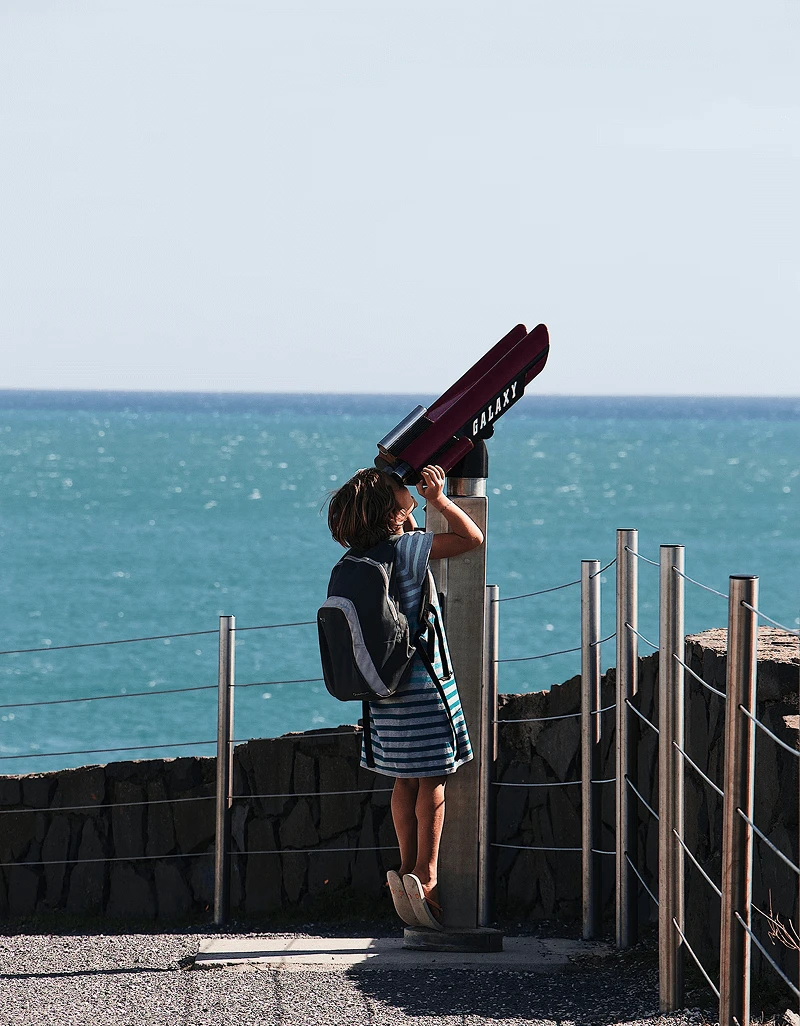

There are many different types of astrophotography, from wide-angle Milky Way photography to deep-sky photography through an astronomical telescope. The basic elements of this hobby include the understanding of long-exposure images, focus, and image processing.
The following basic astrophotography tips and camera settings can be put into action the next time you find yourself under a clear night sky with your camera. I’ll also show you a beginner astrophotography setup for capturing deep-sky images using a camera and telescope. If I can do it, you can do it too.
Perhaps the intense colors of the Orion Nebula or the glimmering Pleiades star cluster have sparked your interest in astrophotography. Or maybe a haunting landscape photograph dominated by a full moon is more your style. However you got here, I understand your passion.
The following basic astrophotography tips and camera settings can be put into action the next time you find yourself under a clear night sky with your camera. I’ll also show you a beginner astrophotography setup for capturing deep-sky images using a camera and telescope. If I can do it, you can do it too.
Perhaps the intense colors of the Orion Nebula or the glimmering Pleiades star cluster have sparked your interest in astrophotography. Or maybe a haunting landscape photograph dominated by a full moon is more your style. However you got here, I understand your passion.
Night sky photography requires a basic understanding of your camera’s ISO setting and the process of taking long-exposure images. If you are a beginner, I’ve got good news. With an entry-level DSLR camera and a tripod, starry landscapes like the one below are within your reach.
My astrophotography equipment has evolved and expanded over the past 10 years, and the learning process never ends.


“Our planet is a lonely speck in the great enveloping cosmic dark. In our obscurity, in all this vastness, there is no hint that help will come from elsewhere to save us from ourselves.”
Lukas Klima
Our planet is a lonely speck in the great enveloping cosmic dark. In our obscurity, in all this vastness, there is no hint that help will come from elsewhere to save us from ourselves.
Lukas Klima
Lorem ipsum dolor sit amet, consectetur adipiscing elit, sed do eiusmod tempor incididunt ut labore et dolore magna aliqua. Ut enim ad minim veniam, quis nostrud exercitation ullamco laboris nisi ut aliquip ex ea commodo consequat.
Ready to give it a go? Below are some ways to discover your own style words. Do one, or better still, do all of them and make your decision at the end of the process.


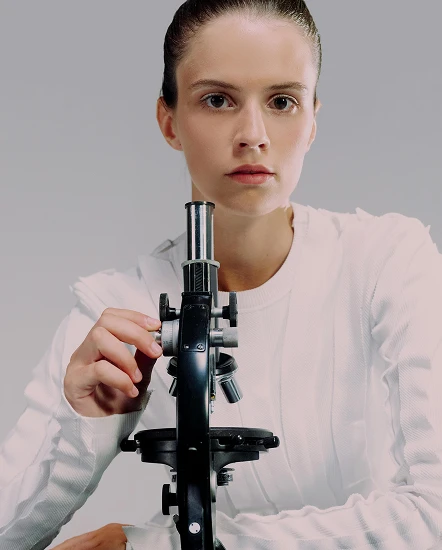
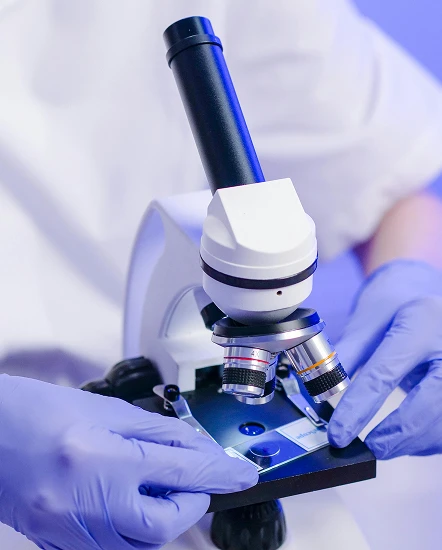
I try to cover all aspects of astrophotography on this blog, but subscribers of my YouTube channel know that I spend more time imaging through a telescope than anything else. Some people prefer different areas of astronomy including Solar imaging, Moon Photography, or Milky Way Photography.
If you’re like me, you love all types of images that involve the night sky. However, a quest for a particular type of image may lead you down a new path that involves a new set of equipment and techniques. For instance, the photography equipment required to capture a photo of a lunar eclipse is very different than what’s needed for a long-exposure image of an emission nebula.
Nighttime landscape photography is incredibly popular these days. Most images tagged #astrophotography on Instagram are exactly this. Whether it’s a shot of the Milky Way rising over a desert landscape, or simply a portrait of the Winter constellations, few images capture the mood that a night landscape can. Adding a star tracker to the equation brings landscape astrophotography to another level. A wide-angle lens such as the Rokinon 14mm F/2.8 can collect light over an ultra-wide area of the night sky.




Sed ut perspiciatis unde omnis iste natus error sit voluptatem accusantium doloremque laudantium, totam rem aperiam, eaque ipsa quae ab illo inventore veritatis et quasi architecto beatae vitae dicta sunt explicabo. Nemo enim ipsam voluptatem quia voluptas sit aspernatur aut odit aut fugit, sed quia consequuntur magni dolores eos qui ratione voluptatem sequi nesciunt
| Name | Address | Deposite | Balance |
|---|---|---|---|
| Arlene McCoy | 2972 Westheimer Rd. Santa Ana, Illinois 85486 | -$270.00 | -$270.00 |
| Mi Robin | 8502 Preston Rd. Inglewood, Maine 98380 | -$270.00 | -$270.00 |
| Jacob Jones | 6391 Elgin St. Celina, Delaware, Kentucky 39495 | $600.00 | $600.00 |
| Ralph Edwards | 2972 Westheimer Rd. Santa Ana, Illinois 85486 | $600.00 | $600.00 |
| Dakota Donhauser | 9619 Herons Nest Ct Apt 112 | -$325.50 | -$325.50 |
| Susan Marshall | 14690 SW 144th Avenue, TIGARD, OR 97224 | $1.000 | $1.000 |
Focal lengths vary widely depending on the type of telescope used. A large Schmidt-Cassegrain Telescope may have a focal length of over 2000mm, which is ideal for photographing planets like Saturn, Mars, and Jupiter up close. The process of capturing very small objects (from our vantage point on Earth) is quite different than it is for large ones like nebulae.
A common focal length for a medium-sized refractor telescope is in the 400-600mm range, which is a practical magnification for most deep-sky objects in the night sky. The focal ratio of the telescope determines its ‘light-gathering’ power, and most refractors are in the F/4-F/7 range.
Comments
3 responses to “Beginner Astrophotography: How to Get Started”
Krystina Bohmova
I found this post incredibly helpful. The step-by-step approach – from scouting a dark location, to stabilizing the camera, to tweaking exposure settings — is exactly what beginners like me need. I also appreciated the realistic expectations you set about noise, focus challenges, and post-processing. It’s reassuring to know these struggles are normal. Great guide!
Lukas Klima
Great guide! I’ve always wanted to try astrophotography but felt overwhelmed – this breaks it down in a way that finally feels doable.
Katka Sanderova
What a fantastic breakdown of the basics. The section on planning ahead with weather and light-pollution maps was a game changer. I used to head out randomly and always wondered why my shots looked washed out. Your advice gives me a clear path to improve, and I’m already bookmarking some dark-sky sites to try this weekend.